← Back to Blog

Sakamoto Days Merch Storage: Keep Your Collection Safe

Protect your Sakamoto Days collection with expert storage tips for t-shirts, hoodies, figurines, and rare pieces. Learn how to display, fold, and organize your merch to keep it looking fresh for years.

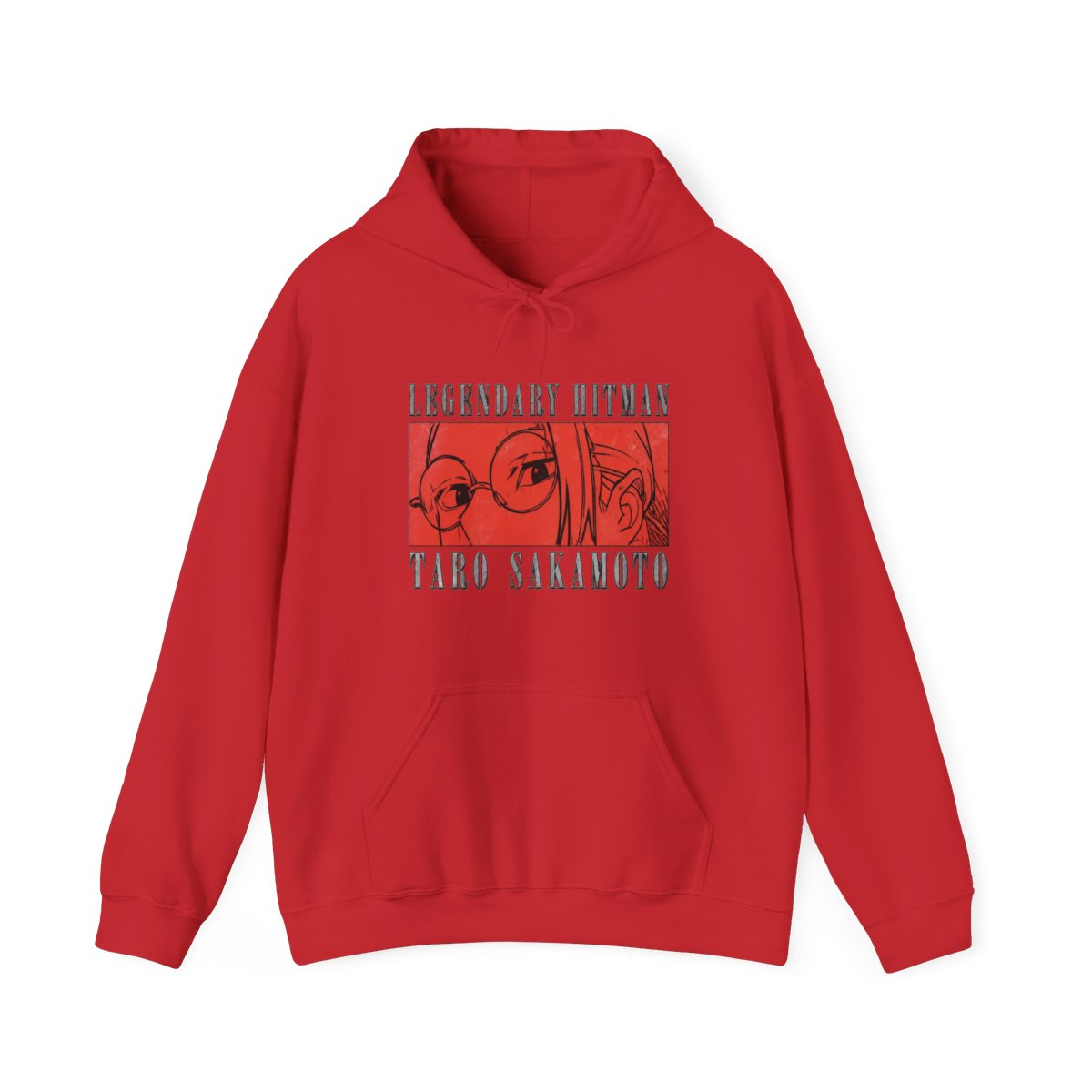
You just scored that limited-edition Sakamoto Days hoodie - the one with the Order symbol on the back. It looks perfect, but a few weeks later, the print starts cracking, or the fabric pills. Sound familiar? The problem isn't the merch itself - it's how you store it. The best Sakamoto Days merch storage strategies keep your favorite pieces looking new for years, not months.

Quick Picks Summary

Product/PickBest ForKey FeaturePrice Range
Acid-free comic bags & boardsStoring posters and art printsPrevents yellowing and creases$10 - $25 for 50-pack
Stackable clear plastic binsT-shirts and hoodiesBreathable, stackable, see-through$15 - $40 each
Detolf glass display caseFigurines and keychainsDustproof, 360-degree view$60 - $80
Garment bags (cotton)Rare or signed itemsBreathable fabric, no plastic$12 - $20 each
Over-the-door shoe organizerSmall accessories (pins, socks)Vertical space saver, easy access$10 - $20

Why Proper Storage Matters for Your Collection

Your Sakamoto Days merch is an investment. Whether it's the iconic hoodie from the Shin vs. Taro fight scene or a limited-run Sakamoto pin, the way you store it determines its lifespan. Heat, humidity, and light are the top three enemies of printed fabric and painted plastic. In my experience as a product specialist, I've seen vibrant designs fade within a year when left in direct sunlight or folded improperly.

A little planning prevents a lot of disappointment. Good storage keeps colors bright, prevents fabric distortion, and stops dust from dulling your figurines. It also makes your collection easier to enjoy - you'll actually see what you own instead of digging through piles.

Best Storage Solutions for T-Shirts and Hoodies

T-shirts and hoodies are the most common Sakamoto Days merch items. They're also the easiest to ruin if stored carelessly.

Folding vs. Hanging

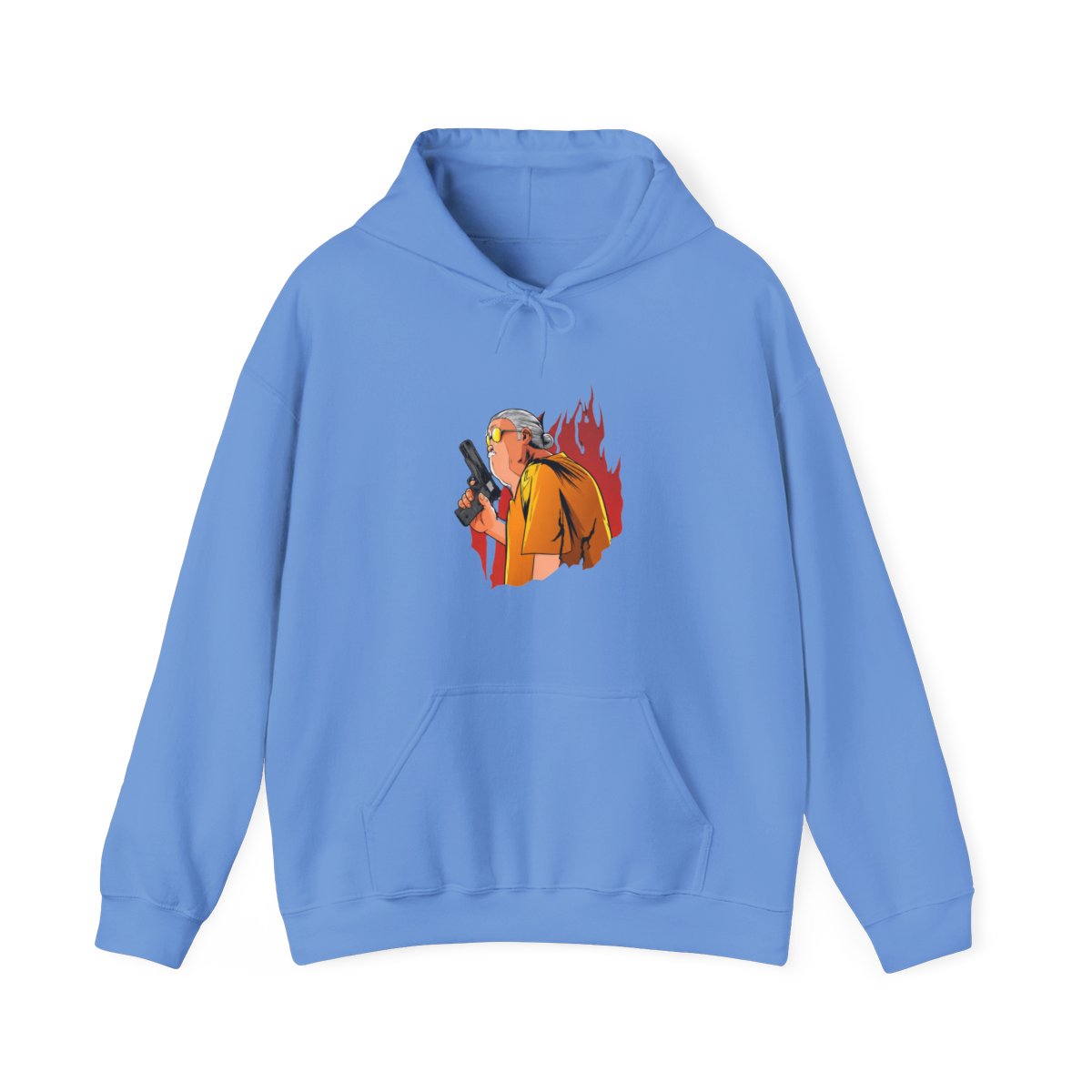
For t-shirts with heavy screen prints (like the Shin flame design), folding is safer. Hanging can stretch the collar and cause the print to crack at the shoulder seams. Use the KonMari fold - it keeps shirts upright and visible in a drawer. For hoodies, fold them with the print facing inward to prevent friction with other clothes.

If you prefer hanging, use padded hangers. Wire hangers leave indent marks on hoodie shoulders. And never hang a hoodie by the hood - it will stretch out of shape.

Storage Containers

Clear plastic bins are my top recommendation. Look for ones with snap-tight lids that are slightly breathable - avoid airtight containers unless you include silica gel packets. Why? Trapped moisture can cause mildew, especially in humid climates. I suggest bins that are at least 12x12x12 inches for hoodies, and 8x10x6 for t-shirts.

For extra protection, wrap special pieces in acid-free tissue paper before placing them in the bin. This prevents dye transfer from darker items.

Displaying vs. Storing: When to Use Each

Not all merch needs to be hidden away. Some pieces are designed to be seen. The key is knowing which items can handle display and which should stay stored.

High-Display Items

  • Figurines: Sakamoto in his hitman pose or Shin with his sword - these are meant to be showcased. A glass display case with UV-protective glass (like IKEA's Detolf) keeps dust off and prevents yellowing from sunlight.
  • Keychains and acrylic stands: Small, durable, and easy to rotate. Display them on a shelf or pegboard. Just avoid direct sunlight to prevent fading.
  • Posters: Frame them with UV-filtering acrylic, not regular glass. Even indirect sunlight can fade bright reds and blues over time.

Low-Display Items

  • T-shirts and hoodies: Rotate your displayed pieces every 2-3 months. Keep the rest folded in storage. Constant exposure to light and air degrades prints faster.
  • Limited-edition items: If it's signed or numbered, store it. Display a duplicate if you have one. Otherwise, keep it in a cool, dark drawer.

Organizing Your Figurines and Accessories

Figurines are fragile and collect dust quickly. A dedicated storage solution protects both the paint and the plastic.

For Figurines

  • Use detachable shelves with non-slip mats. Each figurine should have enough space so you don't bump into others when cleaning.
  • Avoid foam packing peanuts for long-term storage - they can stick to painted surfaces and leave residue. Instead, use acid-free bubble wrap and a box with dividers.
  • Climate control: Keep the room temperature between 60-75°F and humidity below 60%. High humidity can cause plastic to become sticky (plasticizer migration).

For Accessories (Pins, Patches, Keychains)

  • Magnetic pin display boards are perfect for enamel pins. They let you see your collection without damaging the pin backs.
  • Over-the-door clear shoe organizers hold dozens of small items. Each pocket can hold a keychain or patch. It's cheap, practical, and keeps everything visible.
  • Binders with coin sleeves work great for patches and stickers. Slide them into the sleeves and flip through like a book.

Long-Term Care for Rare Pieces

Rare items need special treatment. Whether it's a pop-up exclusive or a signed print, these steps will preserve their value for years.

Storage Conditions

  • Temperature: Never exceed 80°F. Heat accelerates chemical breakdown in fabric and plastic.
  • Light: Store in opaque containers or a dark closet. UV rays from windows can damage prints even through fabric.
  • Humidity: Use a dehumidifier in storage rooms. Silica gel packs absorb moisture - replace them every 3 months.

Acid-Free Everything

  • Acid-free boxes: Regular cardboard boxes contain acids that cause yellowing. Use museum-grade boxes for true long-term storage.
  • Acid-free tissue paper: Wrap each item individually. Never use newspaper - the ink transfers.

Inventory System

  • Digital log: Take photos of each item and note purchase date, condition, and storage location. Use Google Sheets or a simple note app. This helps you track what you own and where it is.
  • Rotation schedule: Every 6 months, open and inspect stored items. Refold them to prevent permanent creases. Check for moisture or pests.

Key Takeaways

  • Best Sakamoto Days merch storage balances visibility and protection - display durable items, store delicate ones.
  • T-shirts and hoodies should be folded, not hung, and kept in breathable bins away from light.
  • Figurines and pins thrive in dust-free cases with stable humidity.
  • Rare pieces require acid-free materials and climate control to maintain value.
  • Rotate and inspect your collection regularly to catch issues early.

FAQ

Should I wash my Sakamoto Days hoodie before storing it?

Yes, always wash and fully dry items before storing. Oils from skin attract pests and can stain fabric over time. Use cold water and turn the hoodie inside out to protect the print.

Can I use vacuum storage bags for my merch?

No. Vacuum bags compress fibers and can crack thick prints. They also trap moisture if any remains inside. Stick to breathable bins or cotton garment bags.

How do I keep figurines dust-free in a display case?

Use a case with a glass door and a microfiber duster weekly. Avoid compressed air - it can blow dust into crevices. A soft makeup brush works well for tight spots.

Is it safe to layer t-shirts on top of each other in a bin?

Yes, as long as they're folded flat and not stuffed. Place acid-free tissue between layers to prevent dye transfer. Limit stacks to 5-6 shirts per bin.

Where should I place my display case to avoid sun damage?

Keep it away from windows and direct light. A north-facing wall or an interior room is ideal. If the room gets any natural light, use UV-filtering curtains.

Related Posts

Shop Sakamoto Days Merch

Official merchandise — premium quality, designed for the community.